
Comparison is a poison to your happiness
Comparison is a natural cognitive process that humans possess and utilize every day for the better. It is a process of evaluating the possessions or skills we have and those we lack by observing others. Through an evolutionary lens, this cognition evolved to help humans improve themselves and utilize their full potential in social settings or communities, and, as expected, this often works as an external motivator that pushes individuals to achieve their life goals.
In psychology, we learn that there are 2 types of comparison:
● Upward comparison: This is when comparison takes place with an individual who is perceived to be better than you. This leads to positive growth and improvement and is usually seen when people “look up to someone”, idolize them or work towards someone's footsteps. Upward comparison brings hope to a person as they realize the possibility of “the better life”.
● Downward comparison: This is when comparison takes place with an individual who is perceived to be in a worse position than you. This leads to the feeling of gratitude. People learn to appreciate themselves and their lives for the privileges they have, which brings a sense of peace and, eventually, fulfillment.

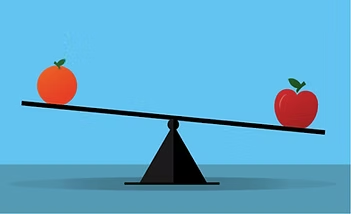
Excess of anything is a poison in itself. Comparing ourselves to others, no matter how beneficial, in excess can lead to multiple negative emotions.
● Negatives of upward comparison:
○ Low self-esteem: because comparisons are always made with a “better” individual, the person accepts that they are lacking in many ways. Unhealthy ways of dealing with this emotion might lead to a decline in one’s self-worth.
○ Envy and jealousy: frequent upward comparisons lead to chronic negative feelings. As a result, it might be difficult to form genuine relationships in social settings or communities.
○ Dissatisfaction: a person rarely appreciates their achievements. Thus, they either sometimes overwork themselves or lose interest in the work completely.
● Negatives of downward comparison:
○ Inflated sense of self: A person who frequently looks down on others starts to feel more “superior” than others, and thus might develop a rigid personality where they reject every possibility of their mistakes or shortcomings, while blaming it on others. They, thus, seldom improve.
○ Pity and Scorn: Frequent downward comparisons also lead to the chronic development of negative feelings. As a result, it might be difficult to form genuine relationships in social situations.
Comparison fosters negative emotions which, when they grow beyond our control, bend our moral compass and erode our well-being. Awareness is the first and most important step — recognizing the moment comparison shifts from inspiration to self-destruction. From there, consciously choosing who and what you compare yourself to makes all the difference. Shift your reference point inward: compare today's version of yourself to yesterday's. That comparison will always work in your favour.



Comments